
FARMER-FIRST KNOWLEDGE
Clear insights · Honest views · Real impact
Agriculture Decoded, AgriTech Simplified, Practical Crop Insights — all in one place.
BROWSE BY CATEGORY




EDITOR'S PICK
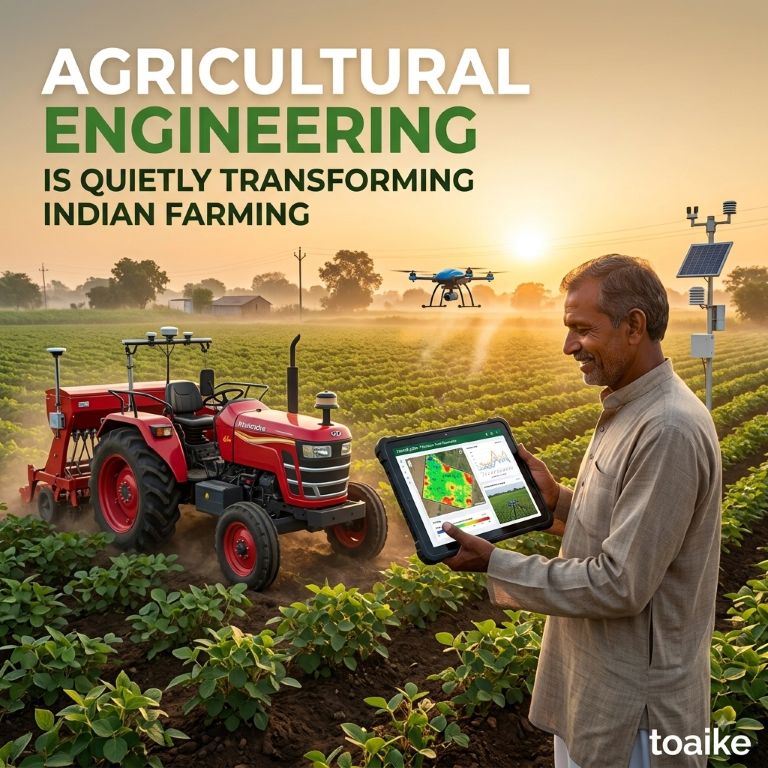
RECENT IN FarmTruths
DID YOU KNOW
Using Cloud Seeding to Boost Rainfall
TOAIKE REFLECTS
“Bring diversity back to agriculture. That’s what made it work in the first place”.
– David R. Brower
LATEST IN AgriTech
FEATURE STORY
Namo Drone Didi — When Rural Women Take Flight
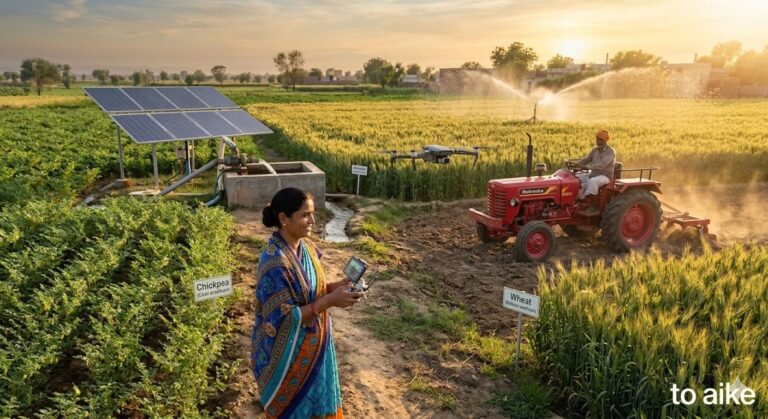
Imagine a woman from a small village, operating a drone over farmland — spraying fertilizers with precision, earning a steady income, and transforming how farming works in her community. That’s exactly what the Drone Didi Scheme is making possible across India.
The Government of India has set aside ₹1,261 crore to put 15,000 drones in the hands of Women Self Help Groups (SHGs) — the same grassroots groups that have quietly been building financial independence for rural women across the country.
Who can join? Any woman above 18 years, with a Class 10 pass certificate, enrolled in a DAY-NRLM registered SHG. That’s it.
What does it cost her? Very little. The government covers 80% of the drone cost — up to ₹8 lakh — and the remaining amount can be borrowed at just 3% interest. The 15-day training covering drone flying and crop spraying? Completely free.
For farmers, it means healthier crops, smarter use of fertilizers and pesticides, and lower costs. For the women operating these drones, it means a real business and a real income.
One drone. One woman. Endless possibilities.