
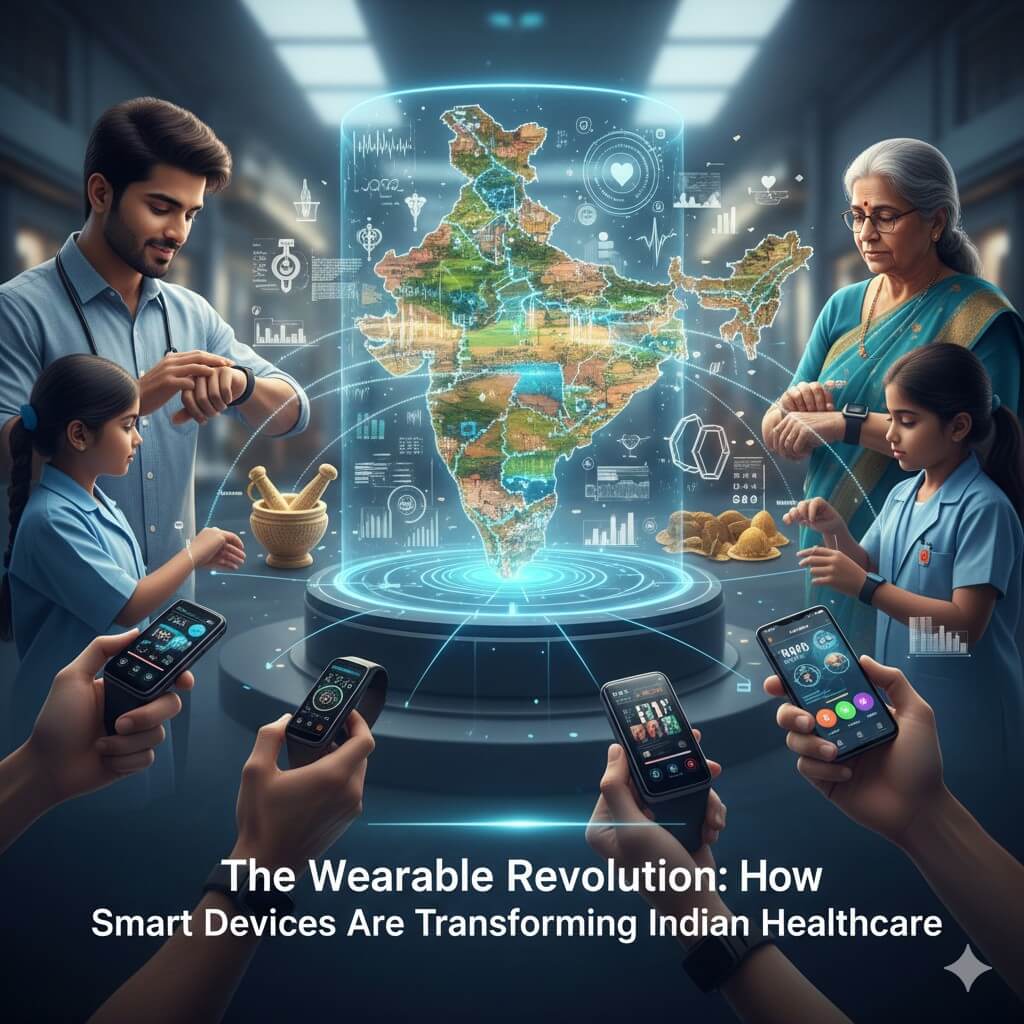
Walk through any Indian metro station today and you’ll spot a new habit in action. People aren’t just checking the time anymore — they’re checking step counts, heart rates, sleep scores, and sometimes even oxygen levels. Smartwatches flash, fitness bands buzz, and it’s perfectly normal to hear someone laugh about how their watch has already complained that they haven’t walked enough today.
What began as a stylish gadget has quietly become part of everyday Indian life.
India has emerged as one of the world’s largest markets for wearable devices, driven by rapid adoption across age groups and cities. But behind this growth is a deeper shift. Wearables are changing how people understand their bodies, moving healthcare closer to home, and helping individuals build healthier habits through everyday awareness and gradual improvement.
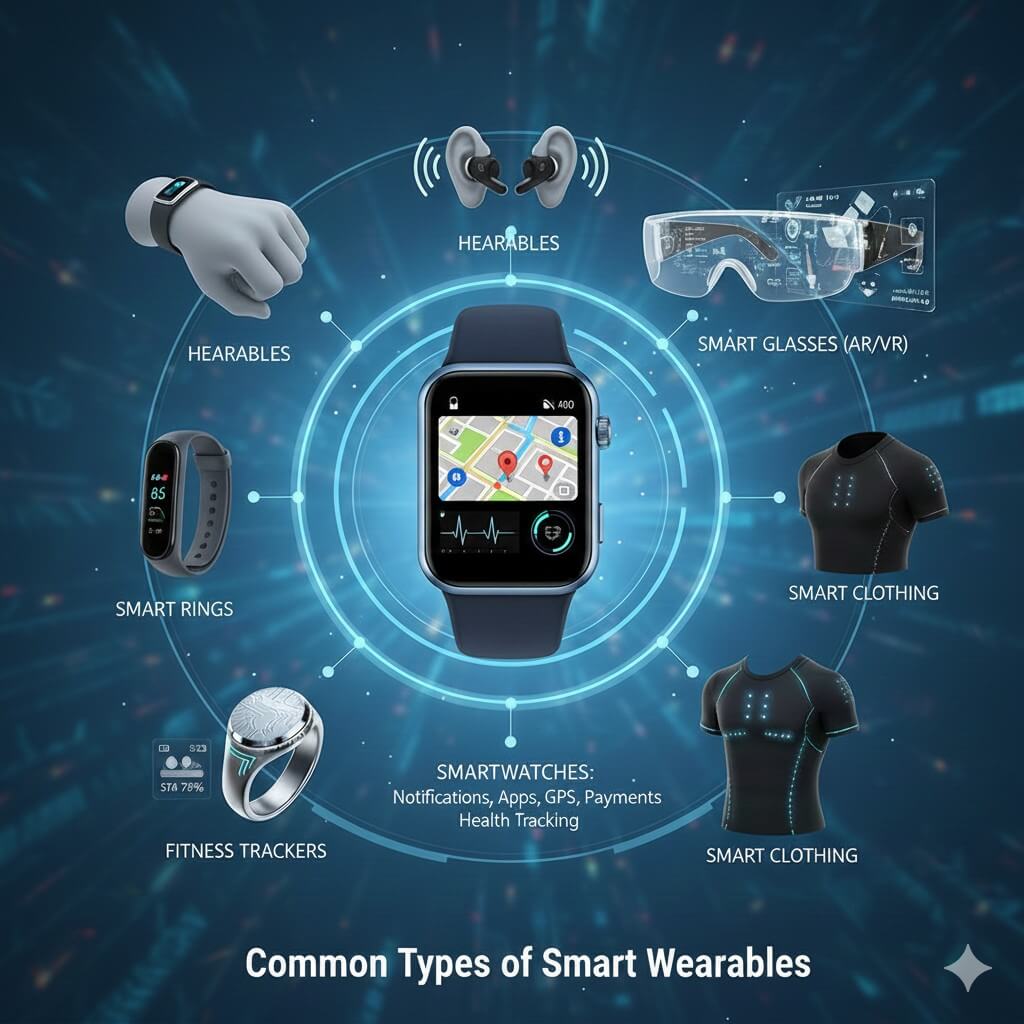
Why Wearables Matter Especially in India
India’s healthcare system faces unique challenges. Doctor-to-patient ratios remain stretched, hospital visits are time-consuming, and preventive healthcare often takes a back seat to emergency treatment. Many people seek medical help only when symptoms become severe.
Wearables help fill this gap. They don’t replace doctors, but they act as early warning systems. By making health data visible every day, they encourage awareness long before illness demands hospitalisation. In a country where both lifestyle diseases and undernutrition coexist, such tools offer a simple, scalable way to shift focus from cure to prevention.
Health Benefits of Smart Wearables Across Life Stages
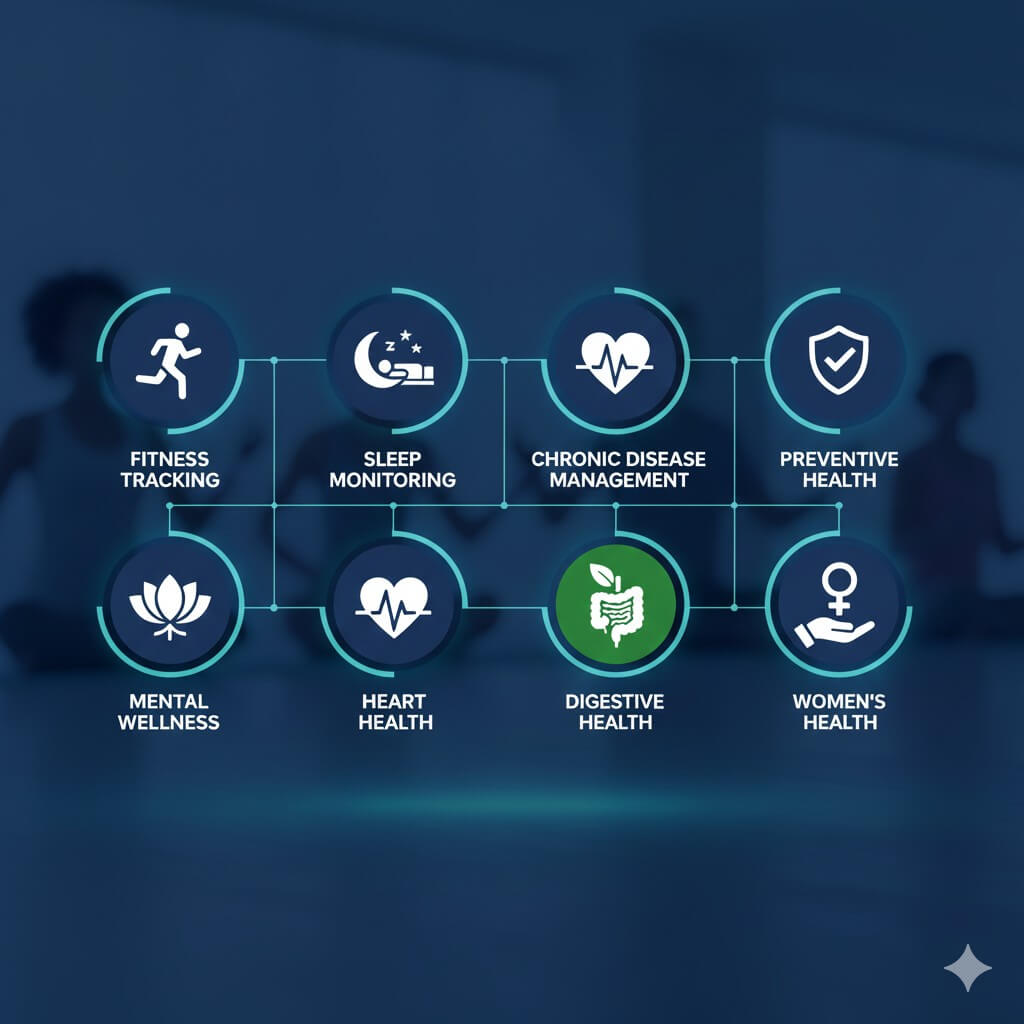
Fitness Tracking: A Gentle Push to Move More
Modern Indian life often means long work hours, desk-bound jobs, and exhausting commutes. Fitness trackers step in as quiet motivators. They don’t judge — they simply show reality.
These devices count steps, track calories, and support guided workouts covering walking, yoga, strength training, and even sports like cricket.
Research shows users increase daily physical activity by 20–30%, with the biggest improvements seen among previously inactive individuals.
With over 135 million Indians affected by obesity, this simple visibility becomes a powerful public-health tool.
Turning movement into measurable numbers transforms exercise from a chore into a challenge people actually want to complete.
Sleep Monitoring: Understanding Why Rest Still Feels Incomplete
Many Indians believe that sleeping for 7–8 hours automatically means good rest. Yet grogginess, fatigue, and poor focus remain common. Wearables help decode this by tracking sleep stages — light, deep, and REM — and identifying disruptions.
Indians average just 6.3 hours of sleep per night, among the lowest globally.
An estimated 50 million people may suffer from undiagnosed sleep apnea.
Users who actively track sleep are 40% more likely to adopt healthier sleep habits within three months.
Sleep tracking turns vague tiredness into understandable patterns, empowering users to improve routines gradually rather than guessing blindly.
Chronic Disease Management: Daily Control Instead of Occasional Checks
India carries a heavy burden of chronic illnesses, particularly diabetes and hypertension. Traditional monitoring methods are often painful, irregular, and inconvenient.
Wearables and connected health devices change this experience.
Continuous glucose monitoring allows real-time tracking of blood sugar without repeated finger pricks.
ECG sensors detect irregular heart rhythms that could otherwise go unnoticed.
Blood pressure tracking helps manage hypertension, which affects nearly one in three Indian adults.
For patients, this means fewer surprises. For doctors, continuous data enables better treatment decisions based on long-term trends rather than occasional readings.
Preventive Health: Fixing Problems Before They Become Emergencies
The greatest strength of wearables lies in prevention. They detect small changes before they escalate into serious conditions — an invaluable advantage in an overburdened healthcare system.
Alerts for abnormal heart rate, oxygen saturation, or body temperature can signal early health issues.
During the COVID-19 pandemic, many people noticed symptoms first through falling SpO₂ levels on their devices.
Fall detection supports elderly users living alone.
Stress, hydration, and inactivity reminders address everyday health gaps often ignored.
Preventive monitoring has the potential to reduce emergency care costs by 15–30% for high-risk populations, while improving quality of life.
Mental Wellness: Making Invisible Stress Visible
Stress affects nearly 89% of India’s workforce, yet mental health remains surrounded by stigma. Wearables offer a quiet, private, and accessible entry point into mental well-being.
Heart Rate Variability sensors help estimate stress levels.
Guided breathing exercises encourage moments of calm during busy days.
Mood tracking links emotional patterns with sleep, activity, and lifestyle habits.
By turning stress into data, wearables help users recognise burnout early and take corrective action without fear or judgment.
Heart Health: Early Warnings That Can Save Lives
Heart disease accounts for 28% of deaths in India and often affects people at younger ages compared to Western countries. Wearables act as continuous observers of heart health.
ECG features are now available in affordable devices priced under ₹20,000.
Continuous heart rate monitoring helps detect silent abnormalities.
Early alerts prompt timely medical consultation, potentially preventing severe outcomes.
In many cases, a gentle notification becomes the first step toward life-saving intervention.
Digestive Health: An Emerging but Promising Frontier
Digestive disorders often develop quietly and are influenced by diet, stress, and lifestyle. Wearables are beginning to explore this complex area.
Changes in sleep, heart rate, or activity patterns may indicate digestive flare-ups.
Experimental devices track gut gases like hydrogen.
Biosensor patches monitor sweat biomarkers and stomach electrical activity.
Combining food logs with wearable data reveals dietary triggers — especially useful for the 60–70% of Indians with lactose intolerance.
Although many digestive features are still experimental, the potential to improve daily comfort and long-term health is significant.
Women’s Health: Personalised Tracking and Awareness
Wearables are increasingly supporting women’s health through personalised insights.
Menstrual cycle tracking helps anticipate hormonal changes.
Pregnancy monitoring supports safer, informed care.
Awareness tools assist with conditions like PCOS and irregular cycles.
Safety features such as SOS alerts enhance personal security.
By normalising health conversations and providing private tracking, wearables empower women to better understand their bodies and seek timely care.
India’s Wearable Market: Health at an Affordable Price
Affordability is the real reason wearables have spread rapidly across India. Brands like Noise, boAt, and Fire-Boltt offer devices under ₹3,000 — roughly the cost of a few movie outings.
India recorded 119 million wearable shipments in 2024, though growth slowed after years of rapid expansion.
Tier-2 and Tier-3 cities now drive adoption more than metros.
Corporate wellness programs reward activity through incentives.
Insurance companies offer 5–15% premium discounts for meeting health goals.
Health tracking is no longer a luxury reserved for a few — it is becoming mainstream.
Challenges That Still Need Attention
Despite their promise, wearables are not without limitations.
Budget devices may lack medical-grade accuracy.
Data privacy remains a concern as regulations evolve.
Around 30–40% of users stop using devices within six months once novelty fades.
Older populations and rural areas face access and connectivity challenges.
Misinterpreting data without medical guidance can cause unnecessary anxiety.
The industry is responding with improved sensors, certifications, on-device data processing, and better user education.
The Future: Smarter, More Inclusive Healthcare
The next phase of wearables will focus less on flashy features and more on real-world usefulness. These devices will increasingly integrate with digital health platforms, allowing doctors to view long-term health trends instead of relying only on one-time reports. This can reduce unnecessary hospital visits and support more consistent follow-up care.
Artificial intelligence will help wearables move beyond raw data. By analysing patterns in activity, sleep, and vital signs, devices can flag early warning signals that may need medical attention. This supports a shift toward earlier intervention rather than late-stage treatment.
Improving accuracy at affordable prices will remain critical. As technology matures, medical-grade features will become accessible to more users, narrowing the gap between consumer wearables and clinical tools. At the same time, regional language support will make these devices easier to understand and use, especially for older users and people outside major cities.
From rural health monitoring to insurance-linked wellness programs, wearables are likely to play a steady, supportive role in preventive care, mental health, maternal health, and environmental risk awareness — not as replacements for doctors, but as everyday health companions.
Conclusion: Quiet Progress, Real Impact
India’s wearable journey is moving beyond novelty toward everyday usefulness. What began as step counters and sleep trackers is steadily becoming a practical layer of support within the healthcare system. By helping people notice patterns early and stay engaged with their health between doctor visits, wearables are encouraging a shift from reactive care to timely, informed action.
As these devices integrate more closely with digital health platforms, improve in accuracy, and become easier to use across languages and regions, their value will extend well beyond urban users. Artificial intelligence will further strengthen this role by turning routine data into meaningful insights that support earlier intervention rather than delayed treatment.
Wearables will not replace doctors or hospitals. Their real contribution lies in supporting preventive care, mental well-being, maternal health, and environmental risk awareness — quietly, consistently, and at scale. In a country as diverse and resource-constrained as India, that steady presence can make a meaningful difference.
The transformation may not be dramatic or loud, but it is real. One alert, one insight, and one healthier choice at a time, wearable technology is becoming a dependable companion in India’s evolving healthcare journey.
Call to Action
If you haven’t tried a wearable yet, start simple. You don’t need the fanciest smartwatch on the shelf — even a basic fitness band can quietly expose habits you were happily ignoring. If you already use one, go beyond step counts. Look at trends, notice patterns, and focus on small changes that actually fit into daily life.
Share what you learn with family members, compare step counts (friendly competition is allowed), and encourage healthier routines together. Health works better when it’s shared, not silently stressed over.
Because real change rarely arrives with fireworks. More often, it shows up as a gentle buzz on your wrist saying, “You’ve been sitting too long.” And sometimes, that small nudge is exactly what it takes to get up, take one more step, and start moving in the right direction.
