
Why October 1st Matters – International Day of Older Persons 2025

Every year on October 1st, the world pauses to celebrate the International Day of Older Persons. Far from being just another date on the UN calendar, this day shines a spotlight on the people who carry the stories, struggles, and wisdom of generations before us—our elders.
The 2025 theme, “Older Persons Driving Local and Global Action: Our Aspirations, Our Well-Being and Our Rights”, is a powerful reminder that older persons are not passive dependents but active changemakers. They are teachers, caregivers, advocates, and leaders—shaping both local communities and global movements.
In a rapidly ageing world—where by 2050 one in six people will be over 65—this year’s theme feels more urgent than ever. The real question is: are we ready to empower older persons to lead, to be heard, and to thrive?
Contents
Older Persons as Drivers of Progress in Society
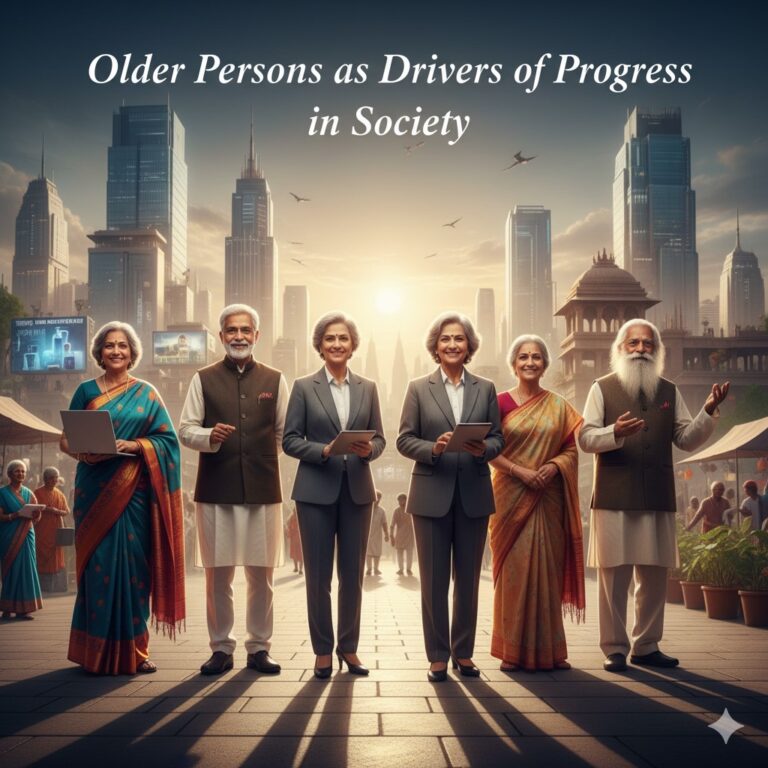
Too often, the narrative around ageing focuses on decline. But the truth is, older persons are engines of progress. Their lived experience fuels solutions to some of today’s toughest challenges:
Health Equity: Elders pass on preventive health practices, traditional knowledge, and lessons on resilience. In rural areas, senior-led health workshops have boosted vaccination rates and health awareness.
Financial Well-Being: Retirement doesn’t mean withdrawal from life. Many older persons return as mentors, advisors, or entrepreneurs, creating opportunities for younger generations.
Community Resilience: From volunteering at schools to organizing relief during natural disasters, older persons often hold communities together.
Human Rights Advocacy: Across the globe, elder activists have stood at the forefront of campaigns for peace, justice, and equality.
Their voices are essential. They are not simply “elders to be cared for” but leaders to be listened to.
Policy Foundations for Elder Rights
The recognition of older persons as rights-holders has been building for decades:
In 2002, the Madrid International Plan of Action on Ageing (MIPAA) laid down global principles for development, health, and supportive environments.
The Political Declaration on Ageing reaffirmed commitments to dignity, equality, and participation.
Most recently, in April 2025, the UN Human Rights Council adopted Resolution 58/13, supported by 81 Member States, to draft a legally binding instrument protecting the rights of older persons.
These frameworks provide the legal and moral backbone for action. But policies only matter if societies activate them in real life.
Why Action on Ageing Is Urgent now
The clock is ticking. Demographics are shifting at an unprecedented pace.
By 2050, the number of people aged 60 and over will more than double, reaching 2.1 billion worldwide.
The fastest growth is in developing countries, where healthcare and social protection systems are often least prepared.
Without urgent action, older persons risk poverty, neglect, and discrimination, leaving entire communities weaker and more divided. But if societies invest in their elders, they unlock a powerful force for sustainable development, social cohesion, cultural continuity, and inter-generational solidarity. According to the United Nations World Social Report 2023, the inclusion and empowerment of older persons is not only a moral duty but also an economic necessity, as ageing populations hold untapped potential to drive growth and stability.
This is not just about compassion—it’s about common sense, long-term resilience, and collective survival.
What We Can Do for Older Persons – Local and Global Action
This year’s theme challenges us to act. And the question is: what can we do to ensure the aspirations, well-being, and rights of older persons? The answer lies in multi-level action—from governments and communities to families and individuals. Let us break them down one by one –
1. Governments: Building Age-Friendly Societies
Governments hold the keys to systemic change. Policies must go beyond welfare handouts to true empowerment and participation.
Healthcare: Expand universal geriatric care, preventive screenings, and mental health services. Invest in elder-friendly telemedicine platforms and train more specialists in gerontology and dementia care.
Social Security: Strengthen pensions, income security, and housing policies. Universal pension schemes and rental subsidies can ensure older persons live with dignity.
Legal Protections: Enforce strict anti-abuse and anti-discrimination laws. Justice systems must be elder-friendly, with fast-tracked cases and accessible reporting mechanisms.
Urban Planning: Design truly age-friendly cities—safe pedestrian zones, accessible transport, public toilets, ramps, benches, and affordable housing integrated into communities.
Political Inclusion: Encourage older persons to participate in local councils, advisory boards, and policy-making forums. Representation ensures that laws reflect lived experience.
Future Preparedness: Ageing will reshape labor markets and social systems. Governments must plan proactively, turning demographic change into opportunity.
A government that supports its elders is not just paying respect to its past—it is building a future-proof society.
2. Strengthening Community and Inter-generational Bonds
Change doesn’t only come from policy; it happens in the heart of communities. When neighbors, schools, and local institutions value older persons, everyone thrives.
Intergenerational Programs: Invite elders as guest teachers, storytellers, or skill mentors. Oral history projects preserve culture while reducing loneliness.
Volunteerism: Retired professionals and senior farmers share their expertise—whether mentoring youth, teaching sustainable farming, or advising startups.
Community Care Networks: Local programs where volunteers check on elders, assist with errands, or simply share conversation ensure that no one is left behind.
Festivals & Celebrations: Public recognition matters. Communities can host fairs or cultural days showcasing elder talents, crafts, music, and traditions.
Social Spaces: Clubs, libraries, and recreational hubs designed for seniors encourage active ageing and combat isolation.
A community that values older persons builds memory, resilience, and belonging for all.
3. Role of Families in Supporting Elders
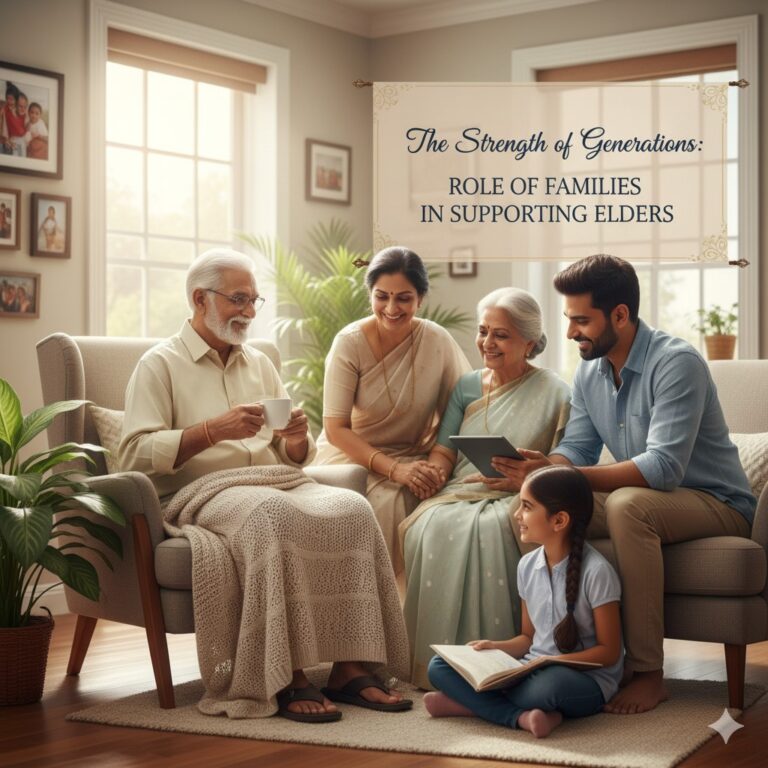
Families are the first line of dignity for older persons. How elders are treated at home sets the tone for society at large.
- Active Listening: Include older persons in family decisions—they often save time, money, and heartache. Their experiences help families avoid repeating mistakes of the past. Listening also shows that their voice matters as much as anyone else’s in the household.
- Encouraging Independence: Support them in pursuing hobbies, joining clubs, or exploring part-time work. Independence is dignity.When elders remain active, it boosts both their physical and mental health. A sense of purpose keeps them motivated and connected to society.
- Everyday Respect: Small gestures—asking advice, spending time, showing appreciation—reinforce their value. Respect at home creates a sense of belonging that no policy can replace. Even a few minutes of genuine attention can brighten their entire day.
- Caregiver Support: Families providing elder care need resources, training, and respite services. Supporting caregivers ensures better elder care too. Caring for the caregiver reduces burnout and strengthens the quality of support elders receive. Community or government-backed caregiver programs can ease this invisible burden.
- Cross-Generational Bonding: Create exchanges where grandparents teach traditions while grandchildren share technology and modern trends. These bonds preserve cultural heritage while preparing youth for the future. Mutual learning bridges the generation gap and builds stronger family unity.
Remember, the way we treat older persons today is the way our children will treat us tomorrow.
4. Digital Inclusion for Older Persons
One of the most transformative steps is ensuring older persons are not left out of the digital revolution.
- Training Workshops: Community volunteers or family members can teach seniors to use smartphones, apps, and online services. Such workshops also build confidence, reducing hesitation toward new technology.
- Accessible Technology: Advocate for elder-friendly devices with large fonts, voice commands, and simple navigation. Designing with empathy ensures that no one is excluded from the digital age.
- Cyber-Safety: Teach elders to recognize scams, use strong passwords, and practice safe browsing. Digital security empowers them to explore online spaces without fear.
- Digital Storytelling: Encourage seniors to share life stories, traditions, and creativity online, building bridges with younger generations. These stories become digital legacies, preserving wisdom for future generations.
- One-on-One Mentorship: Sometimes a grandchild teaching a grandparent to video call is all it takes to open a new world. Personalized guidance makes learning joyful and strengthens family bonds.
Bridging the digital divide is not about gadgets—it’s about connection, confidence, and equality.
5. Empowering Elders in Global Governance and Advocacy
Here lies the core of the 2025 theme—recognizing older persons as drivers of global action, not just local actors.
Climate Action: Elders carry ecological wisdom—rain harvesting, organic farming, and conservation practices vital in tackling today’s climate crisis.
Peace building: Having lived through wars and upheavals, elders bring unique insights into mediation, reconciliation, and healing.
Global Governance: Older persons can serve in international advisory councils, think tanks, and policy forums, ensuring long-term perspectives.
Cross-Border Solidarity: Elder networks can share strategies on healthcare, migration, and digital inclusion, turning ageing into a shared global strength.
Human Rights Leadership: From Mandela to grassroots leaders, elders prove advocacy knows no age. Their persistence strengthens democracy itself.
In today’s interconnected world, ignoring elder voices weakens global resilience. Supporting them multiplies humanity’s collective strength.
6. Amplifying Elder Voices & Aspirations
True empowerment comes when older persons are not just spoken about but are given the microphone.
NGOs & Media: Create platforms—radio shows, podcasts, community papers, and social media campaigns—where elders share stories in their own voices.
Government Participation: Institutionalize elder representation in councils, hearings, and policy design.
Rejecting Stereotypes: Ageing is not decline but a stage of strength. Campaigns must portray older persons as innovators, entrepreneurs, and leaders.
Celebrating Aspirations: Older persons still dream big—whether starting businesses, writing memoirs, or traveling. Aspirations don’t retire.
Amplifying elder voices is not charity—it is justice and inclusion.
Finally: Let us Celebrate Age as Power
The 2025 International Day of Older Persons is more than symbolic. It is a call to rethink ageing—not as decline, but as a wellspring of leadership, resilience, and hope.
Older persons are shaping policies, nurturing communities, driving innovation, and standing for human rights. They deserve protection, celebration, and respect—not as a favor, but as a matter of justice and equality.
If we honor their aspirations, safeguard their well-being, and amplify their rights, we are building a better world—not only for them but for ourselves and for generations yet to come. After all, ageing is the most universal human experience.
This October 1st, let us stand united in saying with conviction: “Age is power. Elders are leaders. And their voices matter—today and always.”
References
This post is shared to inspire curiosity and deepen understanding.
Additional Reads
Disclaimer: The views expressed here are for informational and advocacy purposes only and do not constitute professional, medical, or legal advice. Readers should consult appropriate experts for personal or policy-related decisions.
