
Cold Wave in India: Understanding the Chill and Its Far-Reaching Consequences
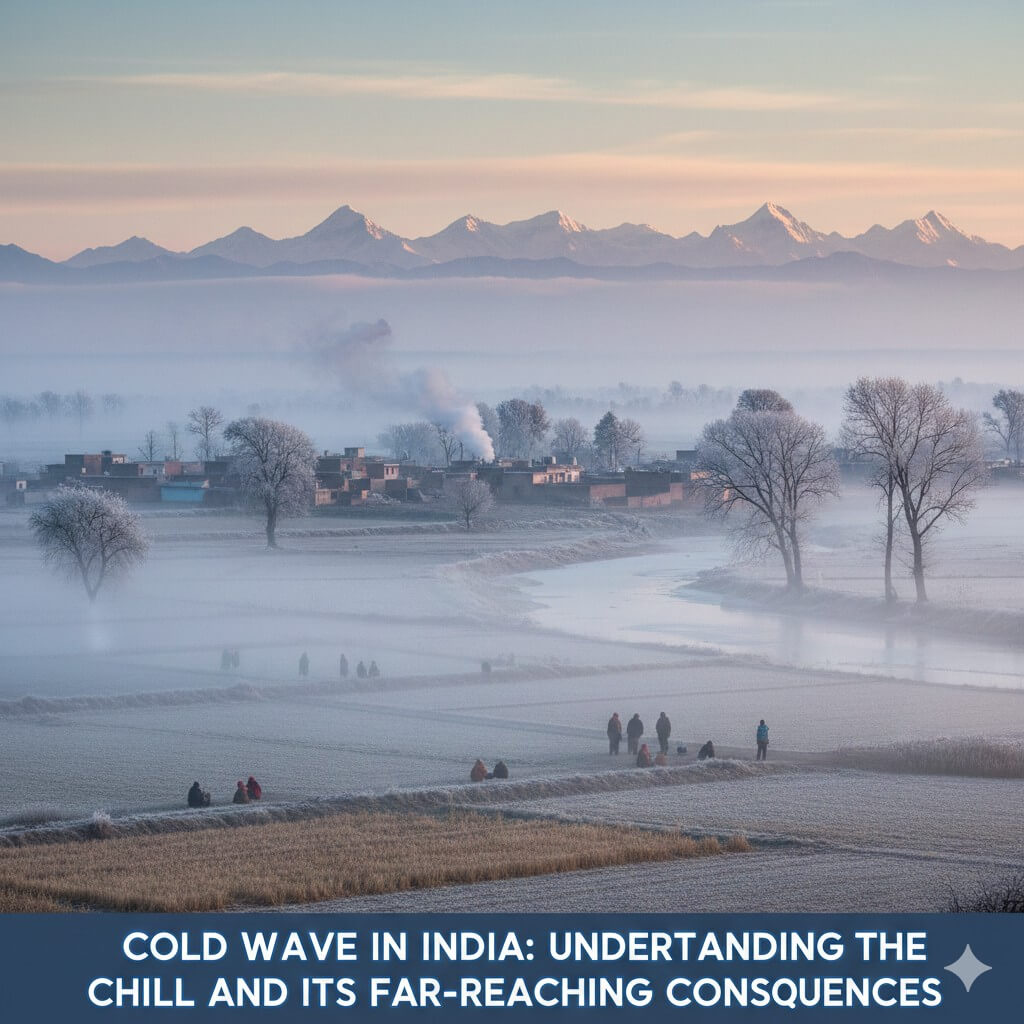
Winter in northern India has a peculiar sense of humour. One day it gently suggests a light sweater; the next, it demands layers, woollen socks, and a steaming cup of tea just to gather the courage to step outside. Fog arrives unannounced, mornings feel unusually short, and alarms seem easier to ignore. While winter often brings cosy blankets and comfort food, it also carries a quieter, far more dangerous side.
Behind these familiar seasonal scenes lies the cold wave—a severe weather phenomenon that affects millions of people every year. Far from being just an inconvenience, cold waves claim thousands of lives, damage crops across vast regions, disrupt transportation, and strain the economy. Despite this, extreme cold often receives less attention than heat waves, even though long-term data shows that cold exposure causes more weather-related deaths in India than extreme heat. Understanding what cold waves are, why they occur, and how deeply they affect society is essential as these events grow more frequent and intense.
What Is a Cold Wave? Understanding the Phenomenon
A cold wave is not simply a spell of cold weather. It is a defined meteorological condition, identified using specific temperature criteria set by the India Meteorological Department (IMD).
Broadly speaking,
In plain regions, a cold wave is declared when:
Minimum temperatures fall to 4°C or below, or
Temperatures drop 4.5°C to 6.4°C below normal, with actual minimum temperatures at 10°C or lower
A severe cold wave is declared when:
Minimum temperatures fall below 2°C, or
The departure from normal temperature exceeds 6.4°C
In hilly regions, a cold wave occurs when:
Minimum temperatures reach 0°C or below, or
The temperature departure from normal ranges between 4.5°C and 6.4°C
What makes cold waves particularly dangerous is the sudden and abnormal fall in temperature. The human body, crops, and infrastructure struggle to adjust quickly, especially when such conditions persist for several days.
Regions Most Affected: India’s Cold Wave Belt
Cold waves primarily affect northern and north-central India, including Punjab, Haryana, Delhi, Uttar Pradesh, Rajasthan, Madhya Pradesh, and parts of Bihar. The Indo-Gangetic plains are especially vulnerable due to their flat terrain, which allows cold air to spread rapidly over large areas.
Urban areas face added challenges. Dense populations, air pollution, and inadequate housing make extreme cold particularly harsh for the urban poor. Rural regions, though often better adapted through traditional practices, face severe risks when cold waves coincide with sensitive agricultural periods.
Why Do Cold Waves Occur? The Science Behind the Chill
Cold waves are not random surprises. They are the result of well-understood atmospheric processes that unfold every winter.
1. Weak Winter Sun and Heat Loss
During winter, the sun sits lower in the sky and days are shorter. This means the land receives less solar energy. At night, especially under clear skies, the Earth loses heat rapidly through a process called radiational cooling. When heat escapes faster than it is gained, surface temperatures fall sharply.
2. Role of Western Disturbances
Western Disturbances are weather systems that travel from the Mediterranean region toward India during winter. They often bring clouds and light precipitation. While they can temporarily raise temperatures, cold waves usually follow their departure. Once the skies clear, nighttime heat loss increases dramatically, causing sudden drops in temperature.
3. Invasion of Cold Air from the North
Large areas of Central Asia and surrounding regions become extremely cold in winter, forming strong high-pressure systems. These systems push cold, dense air southward through northwesterly winds. The Himalayas block the coldest Arctic air but also help channel cold air into northern India. Once it enters the plains, it spreads easily due to the flat landscape.
4. Atmospheric Blocking: When Cold Gets Stuck
Some cold waves last longer than others because of atmospheric blocking patterns—slow-moving high-pressure systems that prevent weather systems from moving along. When this happens, cold air becomes trapped over a region, keeping temperatures low for days or even weeks.
5. Snow Cover and Reflective Surfaces
Snow-covered regions reflect much of the sun’s energy back into space. This high reflectivity, known as albedo, prevents warming and strengthens cold air masses. Snow also allows faster heat loss at night, reinforcing cold conditions.
6. Temperature Inversions and Fog
Cold waves often produce temperature inversions, where cold air gets trapped near the ground under warmer air above. This prevents mixing of air, prolongs cold conditions, and encourages dense fog. Fog further reduces sunlight during the day, keeping temperatures suppressed.
7. Climate Change and the Cold Wave Paradox
While global temperatures are rising, climate research shows that weather extremes are becoming more erratic. Changes in jet stream behaviour and large-scale circulation patterns can push cold air farther south. As a result, cold waves can become more frequent or intense, even in a warming world.
The Ripple Effect: Impact Across Sectors
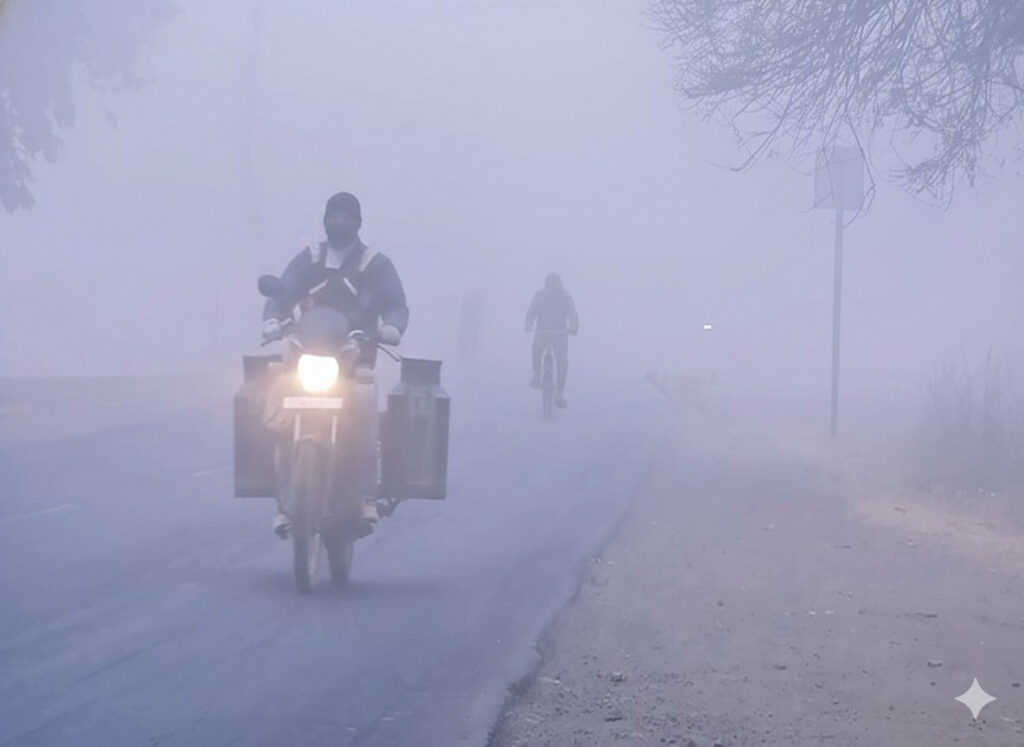
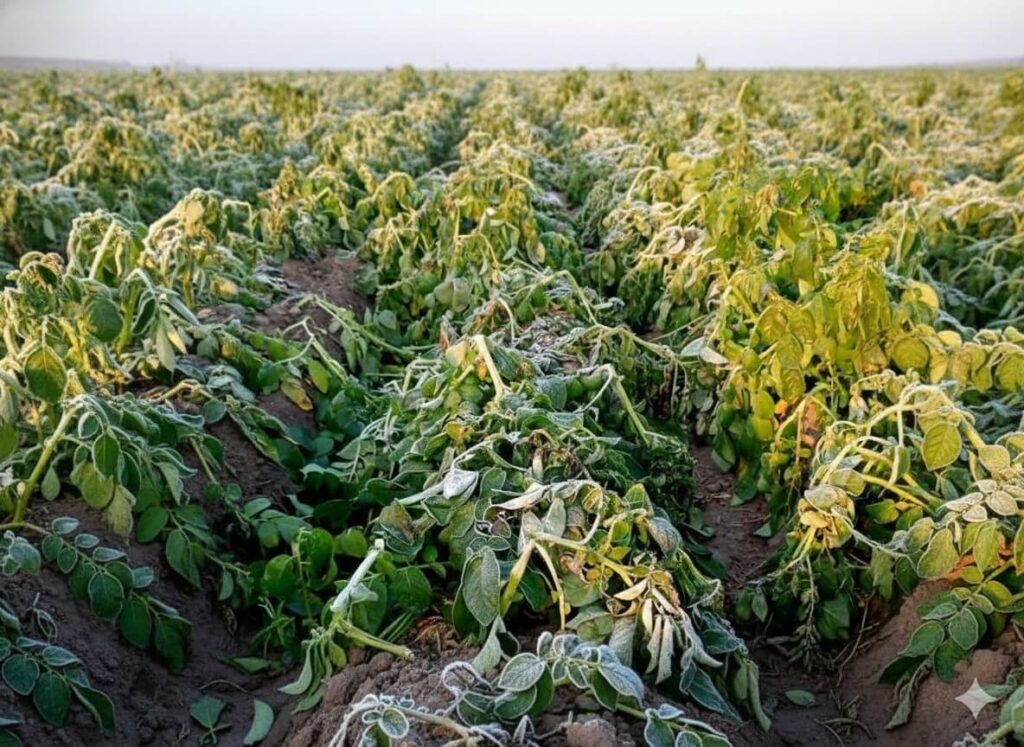
Cold waves do not affect just temperatures—they quietly ripple through society, touching health, agriculture, infrastructure, and the wider economy. Their damage often unfolds over days and weeks, making their cumulative impact far more serious than it appears at first glance.
Human Health: A Silent Crisis
Cold waves are among India’s deadliest weather hazards, claiming thousands of lives every year through direct exposure and cold-aggravated illnesses. Unlike dramatic disasters, cold-related deaths tend to occur quietly—overnight, on pavements, in poorly heated homes, or through worsening medical conditions—making them less visible but no less severe.
The most vulnerable groups face the highest risk. Homeless individuals lack adequate shelter and heating, elderly people often have reduced ability to sense cold, children lose body heat faster, and outdoor workers are exposed for long hours. Prolonged cold places immense stress on the body’s ability to maintain core temperature, increasing the risk of hypothermia, particularly during nights and early mornings.
Cold weather also significantly worsens respiratory health. Dry, cold air irritates airways and weakens immune defences, leading to a rise in infections such as bronchitis and pneumonia. At the same time, cardiovascular risks increase as cold causes blood vessels to constrict, raising blood pressure and placing additional strain on the heart. As a result, hospitals typically see a noticeable surge in admissions for respiratory and heart-related complications during extended cold spells.
Public health experts warn that the true impact of cold waves is likely underestimated. Cold-related deaths are often misclassified or underreported, especially among marginalised populations, making extreme cold one of India’s most under-recognised public health threats.
Agricultural Devastation: Crops and Livelihoods at Risk
Cold waves cause extensive damage to agriculture, particularly during the rabi cropping season, which plays a critical role in national food security. Crops such as wheat, mustard, potatoes, pulses, and vegetables are highly sensitive to extreme cold. Frost during key growth stages—especially flowering and grain formation—can reduce yields sharply or destroy crops entirely.
In recent years, hundreds of thousands of hectares of farmland have been affected annually by cold waves, frost, and related weather events. These losses are not limited to reduced output; they also affect crop quality, market prices, and farmer incomes. Vegetable and horticultural crops, which are more temperature-sensitive, often suffer disproportionate damage.
For farmers—particularly small and marginal ones operating on thin financial margins—such losses can be devastating. A single failed season can lead to mounting debt, reduced food security, and limited capacity to invest in the next crop cycle. When cold wave damage repeats over multiple years, it weakens entire rural economies, affecting employment, consumption, and local markets far beyond the fields.
Infrastructure Paralysis: When Movement Slows Down
Cold waves are frequently accompanied by dense fog, which severely disrupts transportation systems across northern India. Visibility can drop to dangerously low levels, forcing air, rail, and road services to slow operations or halt them altogether. Delays and cancellations become routine, affecting millions of commuters and travellers.
The disruption extends well beyond passenger inconvenience. Supply chains slow down, perishable goods spoil in transit, emergency services face delays, and tourism activity declines sharply. Workers lose productive hours, businesses struggle with logistics, and cities experience operational bottlenecks. Over the course of a winter season, the economic cost of these transport disruptions becomes substantial, adding significantly to the overall burden of cold waves.
Broader Economic Impacts
The economic effects of cold waves extend across sectors. Energy demand rises sharply as households and businesses increase heating, placing additional pressure on power generation and distribution systems. In regions not designed for prolonged cold, this can strain infrastructure and raise operating costs.
Informal workers and daily wage earners are among the worst affected. Construction workers, street vendors, rickshaw pullers, agricultural labourers, and others dependent on outdoor activity often lose income as cold conditions reduce mobility and demand. For many households, these losses come at a time when expenses rise due to higher heating and healthcare needs.
Agricultural damage further influences food supply and prices, affecting both rural and urban consumers. Together, these impacts show how a cold wave evolves from a weather event into a multi-sector economic shock, with effects that linger long after temperatures return to normal.
Conclusion
Cold waves are far more than just an uncomfortable part of winter—the kind that makes you argue with your alarm clock and reach for one more blanket. They are a repeating and dangerous weather event that affects lives, livelihoods, and the economy every year. Extreme cold quietly takes a heavy toll, especially on those who have little protection from it—the homeless, the elderly, children, and people who work outdoors. While some of us complain about cold hands, entire communities face real risks to health and survival.
At the same time, cold waves threaten food security by damaging winter crops at crucial stages of growth, leaving farmers with heavy losses and rural areas under stress. Daily life also slows to a crawl as thick fog and freezing temperatures disrupt trains, flights, and road traffic. Power demand rises just as systems are under strain, and hospitals feel the pressure as cold-related illnesses add to an already busy winter season.
Scientists now know that these cold spells are not random visitors that drop in unannounced. Changes in large atmospheric systems—such as shifting jet streams and stalled weather patterns—along with increasing climate variability, are making cold waves more frequent, more intense, and longer-lasting across many parts of India. It may sound odd in a warming world, but climate change does not follow simple rules. Along with hotter days, it also brings sharper cold spells and stronger extremes at the regional level.
Reducing the damage caused by cold waves needs planning, not panic. Better forecasts and early warnings can save lives before the chill sets in. Warm shelters, clothing, and heating support can protect vulnerable communities. Hospitals must be prepared for winter health emergencies, and farmers need climate-aware planning and cold-tolerant crop strategies. Treating cold waves as a serious disaster risk—on par with heat waves, floods, and cyclones—is essential. With steady preparation, better coordination, and long-term thinking, India can greatly reduce the impact of one of its most underestimated—and quietly dangerous—climate threats.
