
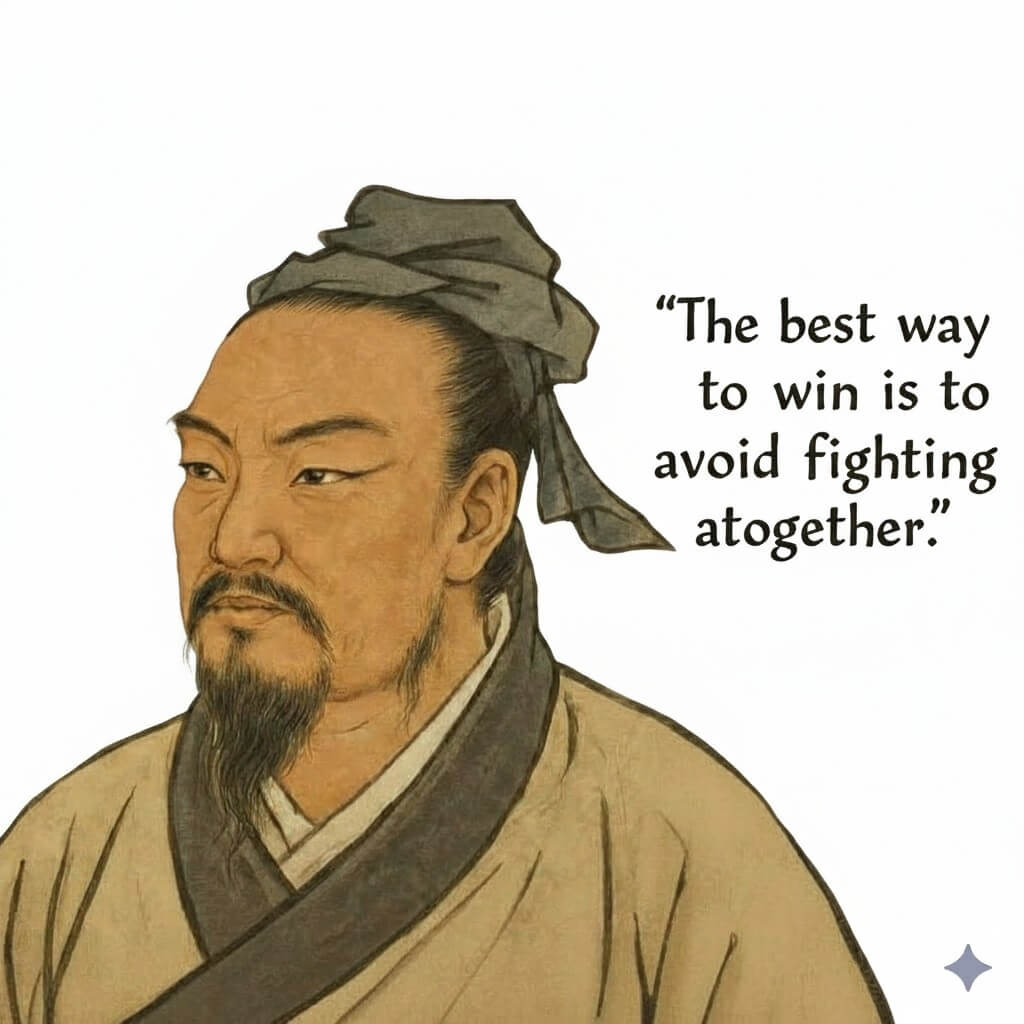
Sun Tzu wrote long ago that “the best way to win is to avoid fighting altogether.” Even centuries later, this idea feels surprisingly modern. It isn’t just a lesson for soldiers—it’s wisdom that applies to everyday life, to relationships, workplaces, businesses, and even global politics. What Sun Tzu really meant was that true strength lies in handling challenges smartly, calmly, and thoughtfully—not by pushing harder or louder than others.
This idea also nudges us to rethink what “winning” actually means. In most conflicts—whether between nations, companies, families, or friends—the damage begins long before anyone wins. Hurt feelings, long-term resentment, financial losses, and broken relationships often linger long after the argument is over. Winning by force may bring temporary satisfaction, but it rarely brings peace that lasts. Choosing to avoid unnecessary conflict shows a deeper kind of wisdom.
One of the simplest ways to avoid conflict is learning to understand people better. When we take a moment to figure out what someone is worried about, what they need, or what they’re hoping for, disagreements become easier to manage. Many everyday problems—arguments in families, misunderstandings at work, or tension among friends—could be prevented with just a bit more listening and a bit less reacting. It’s surprising how many conflicts melt away when someone genuinely listens and acknowledges another person’s point of view.
Good communication plays a huge role too. Calm conversations, open-mindedness, and honest expression work far better than shouting or stubbornness. Whether at home or in the workplace, talking things through helps maintain peace while still allowing everyone to stand up for what matters to them. Choosing dialogue over confrontation isn’t a sign of weakness—it shows emotional maturity and strength. When people feel respected and heard, they naturally become more willing to compromise and work toward solutions together.
We see this idea clearly reflected in history. A powerful example is Emperor Ashoka after the Kalinga War. When Ashoka saw the terrible suffering caused by the conflict, he was deeply shaken. Thousands had died, families were destroyed, and the land was filled with pain. Instead of celebrating victory, Ashoka felt remorse. That moment changed him. Rather than expanding his empire through more battles, he turned to peace, compassion, and moral leadership. He spread Buddhist teachings, built hospitals and rest houses, and focused on justice and welfare. Ashoka’s influence grew not because he forced people to obey, but because his kindness earned their trust. His legacy shows that real victory comes not from conquering lands, but from touching hearts.
This principle also appears in business. Instead of getting trapped in destructive competition, the smartest companies innovate or redefine the game entirely. Apple defeating Nokia is a famous example. Instead of entering a direct fight with Nokia, Apple created something entirely new—the iPhone. They didn’t beat Nokia by attacking them head-on; they made Nokia’s strategy outdated. Apple “won” without entering a battle, allowing creativity and strategic thinking to do the work. It’s a reminder that not every fight deserves your energy—sometimes the best move is choosing a different path.
In personal life, this wisdom is just as valuable. Many arguments with friends, partners, or coworkers escalate because people react quickly rather than patiently. But a moment of empathy—a pause to consider how the other person feels—can prevent anger from taking over. Choosing peace over pride often leads to better outcomes. It takes far more strength to control your emotions, respond thoughtfully, and protect the relationship than to react aggressively out of ego.
Preparation also plays a huge part in avoiding conflict. When individuals or organizations are clear about their values, competent in what they do, and confident in their abilities, others naturally respect them. This quiet confidence often discourages unnecessary confrontation. People tend not to challenge those who carry themselves with calm strength. Preparation isn’t about threatening others—it’s about being secure enough that conflict becomes unnecessary.
Of course, this doesn’t mean that confrontation should be avoided at all costs. There are moments when standing firm is necessary—when fairness is at stake, when someone is being mistreated, or when core values are threatened. But even in such moments, the goal should be to resolve things wisely and peacefully whenever possible. Confrontation should be the last option, not the first reaction. The real skill lies in trying all peaceful pathways before choosing to engage in conflict.
This approach also explains why good leaders are so impactful. People follow leaders they respect, not those they fear. Leaders who listen, solve problems peacefully, and act with understanding build trust that lasts. They inspire loyalty and cooperation, not through force, but through character and fairness. Their leadership becomes a positive influence that strengthens teams rather than divides them.
Another benefit of avoiding unnecessary fights is the protection of our mental and emotional health. Arguments consume energy, increase stress, and cloud our thinking. When we choose calmness, empathy, and patience, we make space for clarity and inner peace. Avoiding conflict isn’t just about maintaining good relationships—it’s also about protecting our well-being.
In the end, Sun Tzu’s message is a timeless reminder of the power of wisdom, compassion, and strategy. A battle avoided through intelligence is far better than a battle won through aggression. When we approach situations thoughtfully, try to understand others, and respond with patience and strength, we win without leaving wounds behind.
To sum up, the idea that “the best way to win is to avoid fighting” is more than military advice—it’s a meaningful way to live. It teaches us that empathy can dissolve tension, creativity can overcome competition, and thoughtful choices create better outcomes than force ever can. Whether in history, business, relationships, or everyday challenges, the greatest victories are the ones that preserve peace, strengthen bonds, and show the strength of wisdom over war.