
Stroke is a sudden medical emergency caused by an interruption in blood flow to the brain, leading to brain cell damage. Medical studies and experts agree that brain stroke cases tend to rise significantly during winter months. And let’s be honest — winter already brings enough trouble with frozen fingers, foggy mornings, and that one sweater you can never find when you actually need it. Yet, behind the seasonal charm and hot chocolate cravings lies a scientifically proven rise in brain stroke cases. This blog explains why winter increases stroke risk, delves into the science behind it, and provides detailed, practical guidance on how to protect yourself through the cold season.
Why Does Stroke Risk Rise in Winter?
Research shows a 20 to 30% increase in stroke cases during winter. This seasonal rise is especially pronounced in elderly, hypertensive, and cardiovascular patients. Several physiological and lifestyle factors cause this spike, and understanding them is the first step toward prevention.
Blood Vessel Constriction and High Blood Pressure
Cold weather causes blood vessels to narrow—a process called vasoconstriction. This reaction helps conserve body heat but raises blood pressure by increasing resistance against blood flow. High blood pressure is the most significant risk factor for stroke, so this winter-related rise substantially increases the chance of a stroke occurring.
When temperatures dip, even a short walk outside can cause sudden spikes in blood pressure. People with uncontrolled hypertension or irregular medication habits face even higher risk. The difference between summer blood pressure and winter blood pressure can be surprisingly large — studies show winter systolic pressures can rise by 5 to 10 mmHg simply due to cold exposure.
Thicker Blood and Greater Clotting Tendency
Cold temperatures make blood more viscous (thick), increasing platelet aggregation and clot formation. This thickened blood can block vessels supplying the brain, leading to ischemic stroke. Studies confirm that colder weather leads to increased coagulation factors and reduced fibrinolysis (the natural process that breaks down clots), promoting stroke risk.
In winter, dehydration and low water intake worsen this viscosity. That’s why warm seasons generally show reduced clotting activity, while winter increases risks for those prone to clot-related illnesses such as deep vein thrombosis and ischemic strokes.
Reduced Physical Activity and Lifestyle Changes
Winter curbs outdoor activity, leading to weight gain, increased cholesterol levels, and poorer cardiovascular fitness. Sedentary behavior contributes to high blood pressure and obesity, both of which are major stroke risk factors. Furthermore, people often consume more high-fat, salty comfort foods during winter holidays, worsening vascular health.
Even small changes matter — shorter days mean less sunlight, which reduces motivation to exercise. In colder regions, morning walks and evening strolls become difficult, causing people to skip their usual routines. Over time, these habits raise both cardiovascular stress and stroke susceptibility.
Higher Rates of Respiratory Infections
Winter brings an influx of flu and respiratory infections that cause widespread inflammation in the body. Inflammation destabilizes plaques in blood vessels and promotes clot formation. This systemic inflammatory response raises the chances of both ischemic and hemorrhagic strokes, particularly among people with weakened cardiovascular systems.
Infections such as influenza also increase fever and dehydration, indirectly affecting blood pressure and circulation. Elderly people or those with chronic illnesses are particularly vulnerable, which is why early detection and treatment of winter infections are so important.
Hormonal Changes and Morning Temperature Effects
Strokes are more frequent during early mornings in winter when temperatures drop to their lowest points. Cold exposure triggers hormonal stress responses, blood pressure surges, and changes in blood clotting, making mornings particularly risky.
The body releases more cortisol and adrenaline during cold mornings, which can increase heart rate and constrict blood vessels. This makes the early morning hours — especially between 6 am and 9 am — a period of heightened stroke risk, more so in winter.
Additional Winter-Specific Risk Factors
Seasonal Affective Disorder (SAD):
Increased depression and stress during winter negatively affect lifestyle and health, indirectly increasing stroke risk. Stress can push up blood pressure and disrupt sleep, contributing to poor cardiovascular function.
Lower Vitamin D Levels:
Reduced sunlight decreases vitamin D, which supports vascular function and blood pressure regulation. Low vitamin D has been linked to higher stroke incidence.
Dehydration:
Many people reduce fluid intake in winter because they feel less thirsty. This thickens blood and increases clot formation risk.
Indoor Air Pollution:
Use of inefficient heaters, firewood, and closed ventilation can raise pollutant exposure, impacting lung and vascular health.
Scientific Research and Meta-Analyses
Recent global studies and meta-analyses highlight the strong link between winter temperatures and stroke risk:
A large-scale 2025 Indian study recorded a sharp 20-30% increase in stroke admissions during cold months, attributing it mainly to blood pressure spikes and coagulation changes caused by cold exposure.
Meta-analyses covering millions of ischemic and hemorrhagic stroke cases worldwide show that extremely cold days lead to significant increases in stroke deaths.
Even fluctuating temperatures can provoke atrial fibrillation, a common cause of stroke.
Seasonal studies across countries show the lowest stroke rates in summer, with winter consistently being the highest-risk season.
Detailed investigations found that colder-stroke patients generally suffer more severe neurological impairment, underscoring winter’s detrimental effect on stroke outcomes.
These findings paint a consistent picture: winter challenges the cardiovascular system in multiple ways, increasing both stroke incidence and severity.
How to Protect Yourself from Stroke in Winter
Fortunately, winter stroke risk can be controlled by adopting practical lifestyle and health measures. Prevention is far easier — and safer — than treatment.
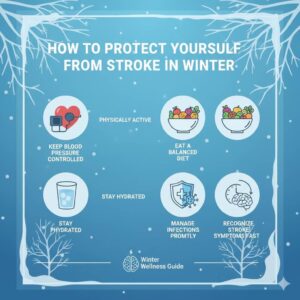
Keep Blood Pressure Controlled
Since cold weather spikes blood pressure, regular monitoring during winter is essential. Follow your physician’s guidance carefully, take prescribed medications on time, and avoid sudden exposure to low temperatures. Staying warm with layered clothing, heated indoor environments, and simple habits like wearing warm socks, using gloves, and avoiding very cold showers can all help prevent vasoconstriction-related pressure surges and keep blood pressure stable.
Stay Physically Active
Despite cold weather, it is important to maintain an active lifestyle. Indoor activities such as yoga, stretching, strength training, or brisk walking in heated spaces help circulation, prevent weight gain, and support healthy cholesterol and blood pressure levels. If outdoor walking is unavoidable, dress warmly and avoid sudden temperature transitions to reduce strain on the cardiovascular system.
Stay Hydrated
Dry winter air causes dehydration, which thickens the blood and makes clot formation more likely, so it’s important to drink adequate fluids such as water, herbal teas, or warm soups even when you don’t feel thirsty. Setting reminders can help, especially for the elderly or those with heart conditions, as proper hydration is one of the most overlooked yet highly effective winter preventive measures.
Eat a Balanced Diet
Winter often compels us towards comfort foods high in salt and fat, increasing blood pressure and cholesterol. Limit sodium intake and favor diets rich in fruits, vegetables, whole grains, and omega-3 fatty acids to support cardiovascular health. Proper nutrition strengthens immunity and offsets winter health risks. Foods rich in antioxidants, such as berries, spinach, and nuts, further protect your blood vessels during winter.
Manage Infections Promptly
Flu and respiratory infections increase stroke risk by triggering systemic inflammation, so getting annual flu vaccinations, practicing strict hygiene such as regular handwashing, wearing masks in crowded places, and seeking early treatment at the first sign of illness are essential. Timely medical care can prevent infections from worsening stroke risk, and avoiding crowded indoor spaces during peak flu weeks further helps reduce exposure.
Recognize Stroke Symptoms Fast
Acting quickly during a stroke is absolutely lifesaving and can significantly reduce long-term disability. Time is truly brain — every moment counts. The sooner medical treatment begins, the better the chances of minimizing brain damage and improving recovery outcomes. That’s why recognizing the signs of a stroke early and responding immediately is critical.
To help remember the key symptoms, the medical community emphasizes the acronym FAST:
Face Drooping
One side of the face may suddenly droop or feel numb. Ask the person to smile and check if their smile is uneven or lopsided. Facial drooping is often one of the first visible signs that a stroke is occurring. Sudden weakness affecting the face indicates that part of the brain controlling facial muscles may be affected by interrupted blood flow.
Arm Weakness
The person might experience sudden weakness or numbness in one arm or leg, usually on one side of the body. Ask them to raise both arms — if one arm drifts downward or cannot be lifted, this is a major warning sign. This weakness happens because the brain areas controlling motor skills become damaged during a stroke.
Speech Difficulty
Speech may become slurred, garbled, or hard to understand. The person may have trouble finding words or forming simple sentences, or they may be unable to repeat phrases correctly. In some cases, comprehension might also be impaired, meaning they struggle to understand what others say. Sudden speech problems signal that areas responsible for language are impacted.
Time to Call Emergency Services Immediately
Time lost is brain lost — literally.
In India, where organized emergency response teams or stroke-specific ambulances are not widespread, it is vital to act immediately if stroke symptoms appear. If you notice any signs of stroke, do not wait to see if the symptoms improve or go away. Instead:
Arrange for the person to be taken directly to the nearest hospital or medical facility equipped to handle strokes as quickly as possible.
Use any available means of transportation—family vehicle, taxi, or ambulance—to reach the hospital without delay.
Inform the hospital ahead if possible, so they can prepare for urgent stroke evaluation and treatment on arrival.
Time is extremely critical because stroke treatments, such as clot-busting medications (thrombolytics) or other interventions, are most effective if given within a short time window (ideally within 3 to 4.5 hours after symptoms start). Delays decrease the chance of successful treatment and increase the risk of permanent brain damage or disability.
Since India is making strides to improve stroke care, some cities now have ambulances trained in stroke protocols, and tele-stroke networks connect smaller hospitals to stroke specialists. However, public awareness and quick self-activation by patients or families remain the first and most crucial step in stroke survival and recovery.
Conclusion
Winter presents distinct physiological and lifestyle challenges that significantly increase stroke risk, with cold-induced blood pressure spikes, thicker blood, infections, reduced activity, and unhealthy dietary habits all playing major roles. Being aware of these factors and taking proactive steps—such as controlling blood pressure, staying active and hydrated, eating a balanced diet, managing infections promptly, and recognizing stroke symptoms early—can greatly reduce winter stroke incidence. If you or a loved one has cardiovascular risk factors, consult healthcare professionals to create a winter-specific prevention plan tailored to your needs, as these measures help protect brain and heart health throughout the year.
References
- Winter Spike in Brain Stroke Cases – Times of India
- Winter Stroke Risks: 5 Factors and Prevention Tips – PSRI Hospital
- World Stroke Day: How Winter Increases Risk – NDTV Health
- Cold Weather and Stroke Risk Overview – United Medicity
- Recognizing FAST Stroke Symptoms – American Stroke Association
- Recent Meta-analyses on Temperature and Stroke – American Heart Association Journals
- Seasonal and Monthly stroke incidence in relation to weather variables: a preliminary single centre epidemological study. https://nature.com
- Here’s why you are at a higher risk of stroke in winter – NDTV
This post is shared to inspire curiosity and deepen understanding.
Pingback: Cold Wave in India: Understanding the Chill and Its Far-Reaching Consequences - Toaike
Pingback: Winter Headaches: Understanding, Managing, and When to Seek Help - Infotidings