

Among the many timeless teachings from great thinkers, one line continues to touch hearts even after centuries: “Live life as if everything is rigged in your favour.” These simple words hold a gentle but powerful truth. They remind us to move through the world with trust, openness, and a belief that even when life feels uncertain or unfair, every experience may carry some hidden meaning. The quote encourages us to see life not as something working against us, but as something quietly supporting us in ways we may not immediately recognise.
Living with this mindset doesn’t mean pretending that pain or problems don’t exist. It doesn’t ask us to deny reality or force ourselves to be cheerful during hard times. Instead, it invites us to know that challenges can shape us, strengthen us, and sometimes redirect us toward something better. It is about meeting difficult moments with a softer heart and the belief that the story is still unfolding, even when we cannot yet see the bigger picture.
At first glance, the message may sound overly optimistic, as if we’re being encouraged to ignore what’s going wrong. But the idea is not about closing our eyes to hardship. It’s about shifting how we interpret the things that happen to us. When something unpleasant or unexpected occurs, we often react with frustration or self-pity, asking, “Why is this happening to me?” But with a slight change in thinking, we can pause and ask, “What could this be trying to teach me?” That simple shift takes us out of resistance and opens a doorway to understanding. It helps us step back and see the situation from a wider view.
This approach connects deeply with something universal—the human need for meaning, especially during tough times. We don’t only suffer because of what happens; we suffer because of how we interpret what happens. When we believe life is pointless or hostile, every obstacle feels heavier. But when we hold even a tiny sense of trust that things might be unfolding for our good, we gain strength, patience, and clarity.
Modern psychology surprisingly supports this ancient wisdom. Research in positive psychology shows that the way we explain events to ourselves shapes our emotional world. According to studies on learned optimism, people who view setbacks as temporary and changeable tend to recover faster and deal with challenges more effectively. Optimism isn’t about pretending everything is wonderful. It’s about allowing yourself to see possibilities even when things are difficult. This shift strengthens resilience, improves decision-making, boosts creativity, and even benefits physical health.
When we start believing that life might be working in our favour, our focus shifts. Instead of expecting problems everywhere, we begin to look for opportunities. Instead of reacting with fear, we respond with curiosity. Instead of shutting down, we stay open. We begin asking questions like: “What is this situation trying to show me?” or “How might this delay be protecting or preparing me for something better?” Pain may still be present, but our relationship with it changes. It becomes something we can learn from rather than something that crushes us.
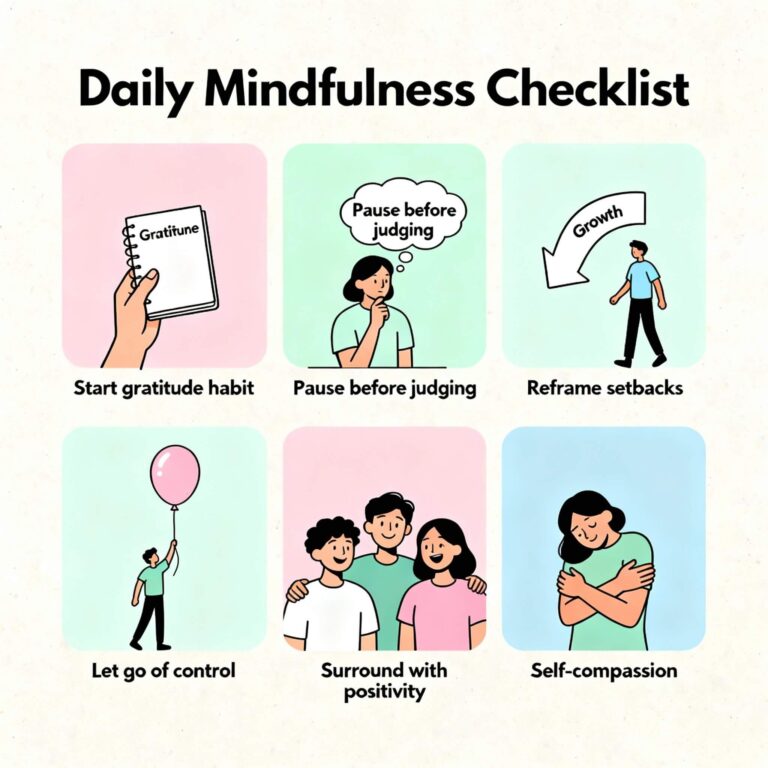
This mindset also aligns closely with mindfulness—the practice of being present and observing our experiences without instantly judging them. Mindfulness teaches us that while we cannot control every event in our lives, we can choose how we meet each moment. When we stay grounded in the present, we move away from resistance and toward acceptance. Acceptance doesn’t mean giving up. It means understanding what is within our control and what isn’t, and responding with calm clarity instead of panic or anger.
As we grow more mindful, we begin to notice how life often supports us quietly. A delay may prevent a wrong decision. A rejection may push us toward something more suitable. A heartbreak may lead to deeper self-understanding. Many of the moments we once labelled as failures or disasters later reveal themselves as turning points. Mindfulness allows us to recognise these patterns not just in hindsight, but while life is still unfolding.
To bring this outlook into daily life, simple practices help more than we expect. A small gratitude habit—writing down three things we appreciate each day—trains the mind to notice what is going well, even during difficult phases. Pausing before judging an event helps us avoid jumping to negative conclusions. Reframing setbacks by asking, “How is this helping me grow?” turns frustration into insight. Loosening our grip on control brings peace and allows unexpected opportunities to enter. Choosing to spend time with positive, encouraging people lifts our mood and reinforces trust. Treating ourselves kindly during hard times gives us the courage to rise again.
These habits may feel simple, but small steps can create deep inner change. Over time, we become more patient, more flexible, and more trusting of life’s flow. Situations that once triggered stress or confusion begin to feel manageable. Instead of fighting every twist and turn, we start to cooperate with what is happening.
If we look back on our own lives, we may notice how often disappointment eventually turned into something meaningful. A lost job may have opened the door to a better career. A relationship ending may have made space for a healthier connection. A failure may have pushed us to grow in ways success never could. These experiences are reminders that life sometimes rearranges things for reasons we only understand later.
In today’s fast-paced world—full of comparison, pressure, and the constant urge to control—this idea becomes even more important. When plans break, when people disappoint us, or when outcomes don’t match our expectations, it is easy to feel discouraged. But this mindset asks us to consider something gentler: What if life isn’t trying to hurt us? What if it is guiding us? What if the detours are not mistakes but necessary redirections?
This way of thinking does not mean abandoning effort or ignoring problems. It means working with trust instead of fear, with openness instead of resistance. When we stop seeing life as a battle and begin seeing it as a partner, everything changes. We grow calmer. We become more creative. We find patience we didn’t know we had.
Resilience does not grow from avoiding pain; it grows from staying open in the middle of it. When we allow ourselves to remain open, we discover strength that had been waiting inside us all along. Living as if everything is rigged in our favour does not magically erase hardship, but it transforms how we walk through it. It helps us shift from feeling powerless to feeling guided.
In the end, this simple sentence becomes more than inspiration—it becomes a way of living. It asks us to look at life not as an enemy to be conquered, but as a teacher to be trusted. When we begin to see even challenges as part of a larger design, a quiet peace replaces our resistance. And slowly, we start to recognise that life, in its own mysterious way, may truly be working in our favour.